What Are Phantoms?
Phantoms, commonly referred to as ghosts or apparitions, are reported manifestations of deceased individuals or unexplained entities that appear in our physical world. Throughout history, cultures worldwide have documented encounters with these mysterious phenomena. From ancient civilizations to modern times, phantom sightings have been recorded, studied, and debated by scientists, researchers, and ordinary people alike.
The term "phantom" encompasses various paranormal manifestations including full-body apparitions, shadow figures, orbs of light, and unexplained sounds or sensations. These phenomena often occur in locations with historical significance, traumatic past events, or strong emotional residue. While skeptics attribute such experiences to psychological factors, environmental conditions, or misidentification of natural phenomena, countless individuals worldwide continue to report genuine encounters that defy conventional explanation.
Who Are Phantom Investigators?
Phantom investigators are dedicated researchers who systematically investigate claims of paranormal activity using scientific methodology and specialized equipment. These professionals bridge the gap between skepticism and belief, approaching each case with objectivity while remaining open to the possibility of genuine supernatural phenomena. Unlike the sensationalized portrayals in popular media, real phantom investigators are methodical, patient, and committed to evidence-based research.
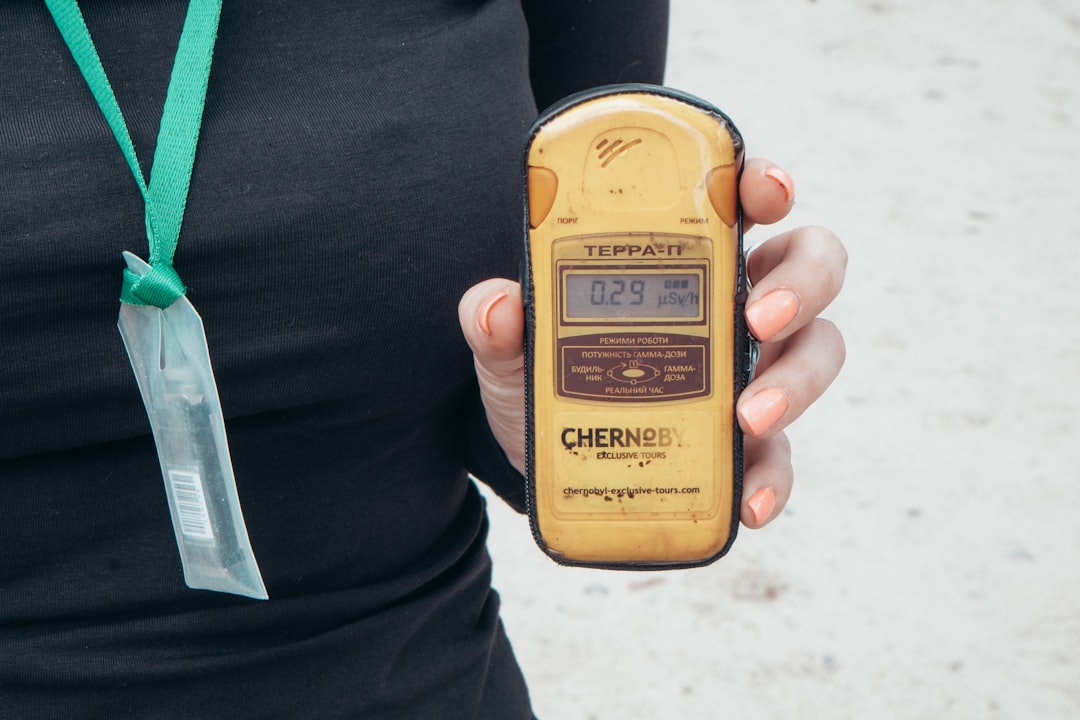
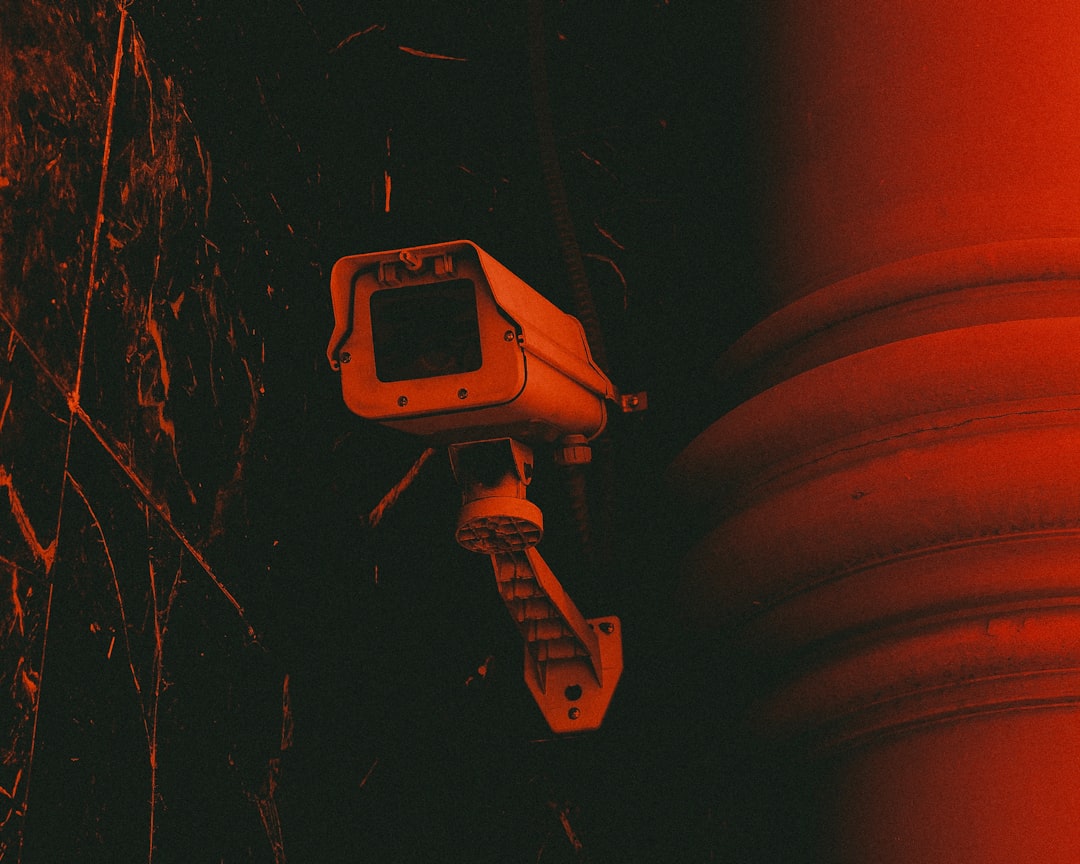
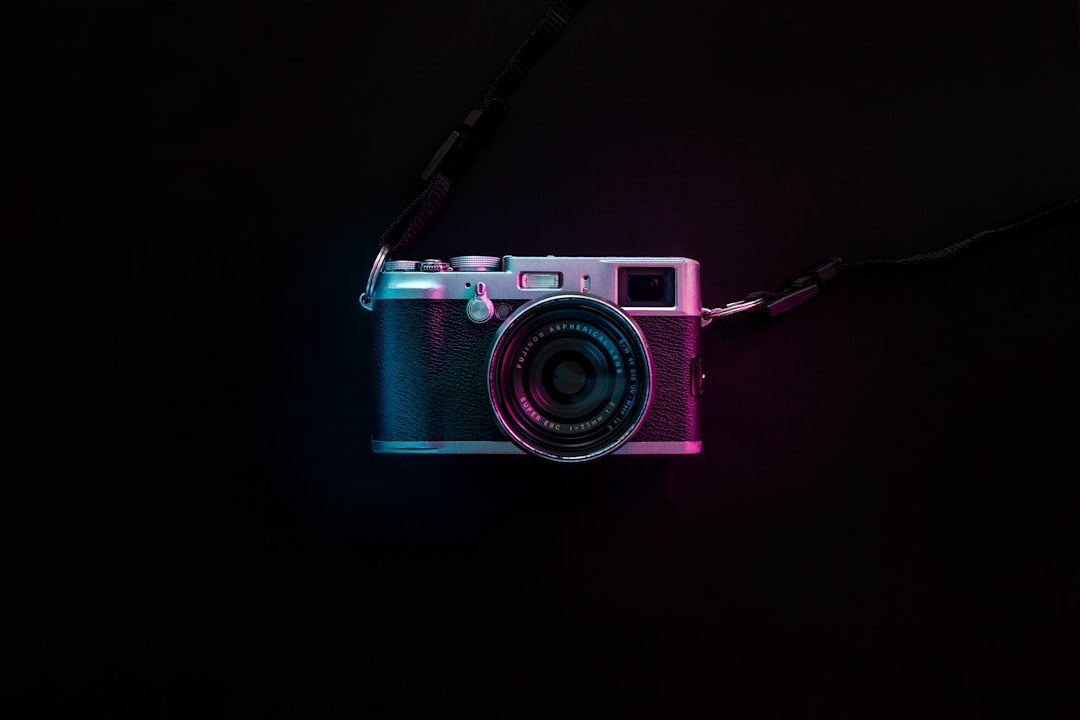
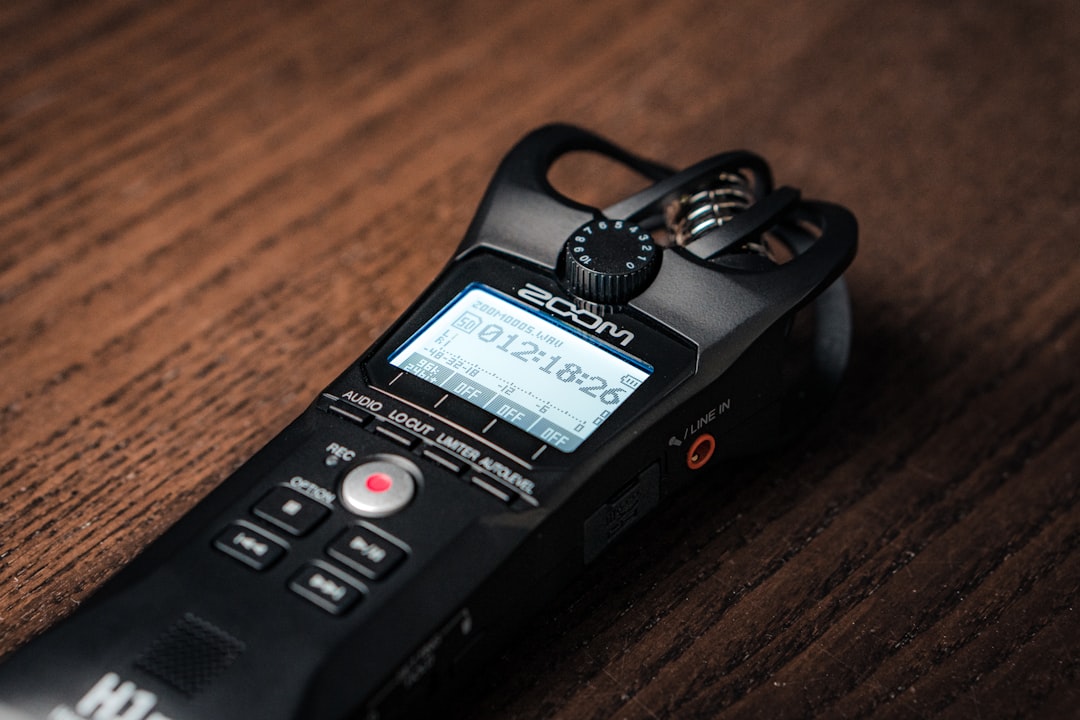
A professional phantom investigator typically possesses knowledge in multiple fields including physics, psychology, history, and technology. They use sophisticated equipment such as EMF detectors, thermal imaging cameras, audio recorders, and environmental sensors to document and analyze potential paranormal activity. Their investigations involve extensive preparation, including historical research, witness interviews, baseline environmental readings, and controlled experiments designed to rule out natural explanations.
The investigation process begins when someone reports experiencing paranormal activity. Investigators conduct thorough interviews to understand the nature, frequency, and circumstances of the reported phenomena. They then visit the location to establish baseline readings of electromagnetic fields, temperature, humidity, and other environmental factors. During investigation sessions, which often occur during nighttime hours when activity is typically reported to increase, investigators set up monitoring equipment and conduct various tests while documenting all findings.
Are Phantoms Real? The Evidence and Debate
The question of whether phantoms are real remains one of humanity's most enduring mysteries. While mainstream science has yet to conclusively prove the existence of ghosts, the sheer volume of reported experiences across cultures and throughout history suggests something worth investigating. Millions of people worldwide claim to have encountered phantoms, and while many cases can be explained by natural phenomena, psychological factors, or fraud, a small percentage of cases remain genuinely unexplained.
Scientific approaches to phantom investigation have yielded intriguing results. Researchers have documented electromagnetic anomalies, temperature fluctuations, and audio phenomena that coincide with reported paranormal activity. Advanced equipment has captured images, sounds, and environmental changes that challenge conventional explanation. However, the subjective nature of many experiences and the difficulty in creating controlled, repeatable experiments make scientific validation challenging.
Skeptics argue that phantom experiences result from misperception, suggestion, electromagnetic fields affecting the brain, infrasound, or psychological factors such as grief, stress, or the power of expectation. They point out that controlled laboratory studies have failed to produce reliable evidence of paranormal phenomena. However, believers and open-minded researchers counter that the nature of paranormal phenomena may not lend itself to traditional scientific methodology, and the absence of proof is not proof of absence.
What remains undeniable is that phantom investigation serves important purposes beyond proving or disproving the supernatural. It provides comfort to those who have experienced unexplained phenomena, preserves historical and cultural narratives, and pushes the boundaries of our understanding of consciousness, perception, and reality itself. Whether phantoms are objective entities, manifestations of human consciousness, or misunderstood natural phenomena, the search for answers continues to drive serious researchers forward.
Join the Investigation
Equip yourself with professional-grade tools and become part of the phantom investigation community. Our equipment has been used in thousands of investigations worldwide, helping researchers document and analyze unexplained phenomena.
Explore Our Equipment